1% of profits support

The World Monuments Fund

We restore family photos. They restore the places our families came from. Preserving the past is what we do.

What the World Monuments Fund Does

Since 1965, the World Monuments Fund has preserved cultural heritage at more than 700 sites across 112 countries. They protect the places that tell our shared human story — temples, churches, palaces, and monuments that connect us to the people who came before.

“By choosing Refresh, you become an advocate for preserving the past. It’s about celebrating humans, restoring what time has taken, and bringing the past into today.”

Places They’ve Helped Preserve

From the canals of Venice to the temples of Cambodia, do you recognize any places below? WMF has faithfully restored these global treasures for generations to come.

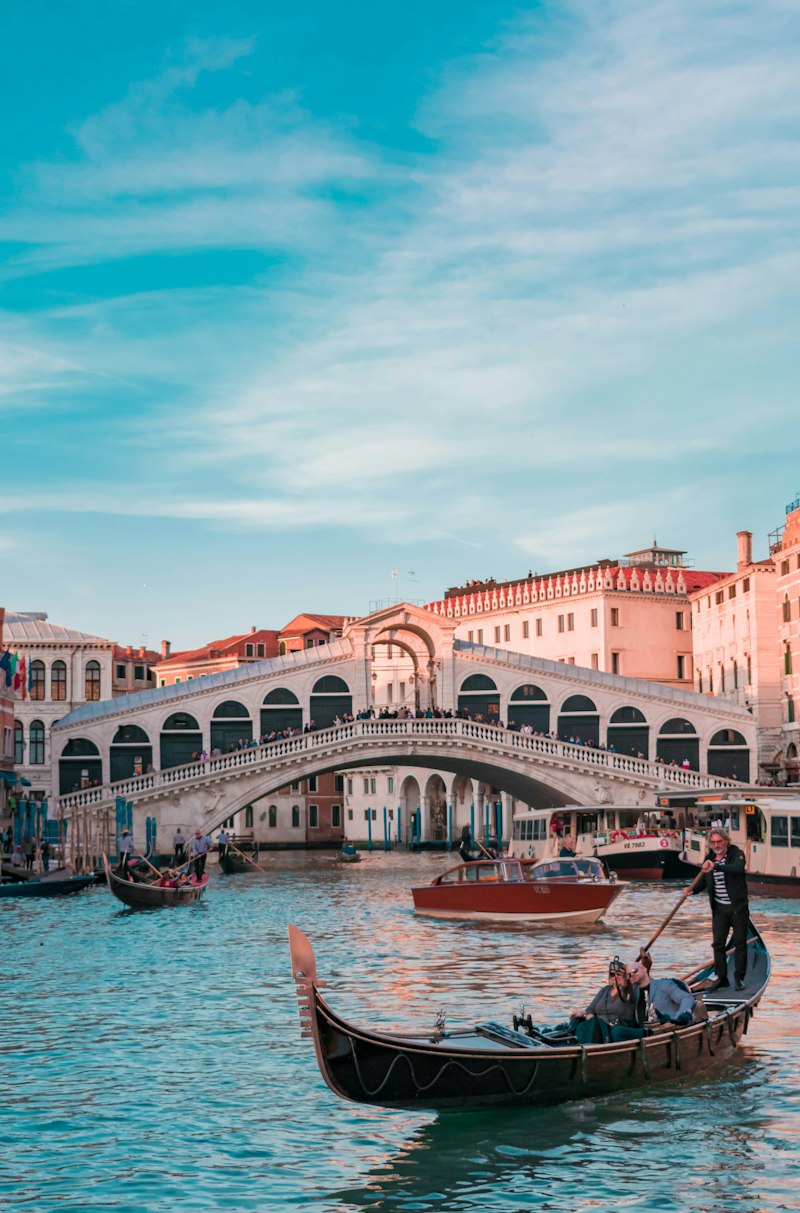
Grand Canal in Venice, Italy with historic buildings

Historic Venice

Venice, Italy

Venice is where it all began. The World Monuments Fund was founded in 1965 as the International Fund for Monuments specifically to safeguard Venice after the devastating floods of 1966. Over 25 restoration projects across more than 20 years have helped preserve this city's irreplaceable architecture for future generations.
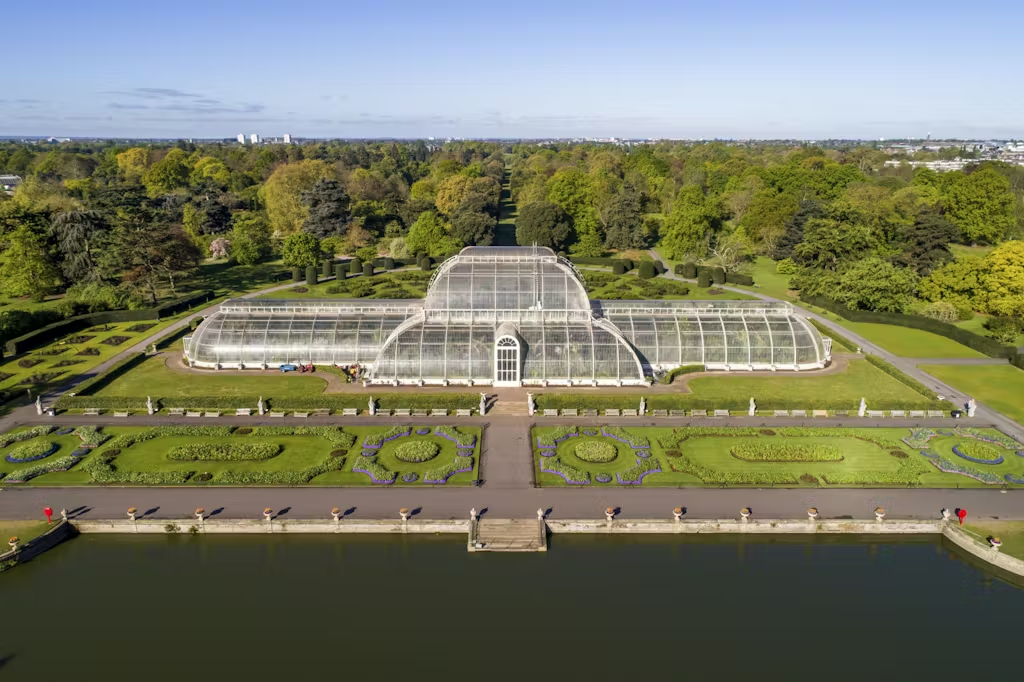
The iconic Victorian glass Palm House at Kew Gardens in London

Kew Gardens Great Palm House

London, United Kingdom

Built in 1844, the Great Palm House at Kew Gardens was the first glasshouse of its scale, designed using techniques borrowed from the shipbuilding industry. WMF Britain is partnering with Kew to restore this extraordinary structure — a pioneering feat of Victorian engineering that houses one of the world's most important collections of tropical plants.

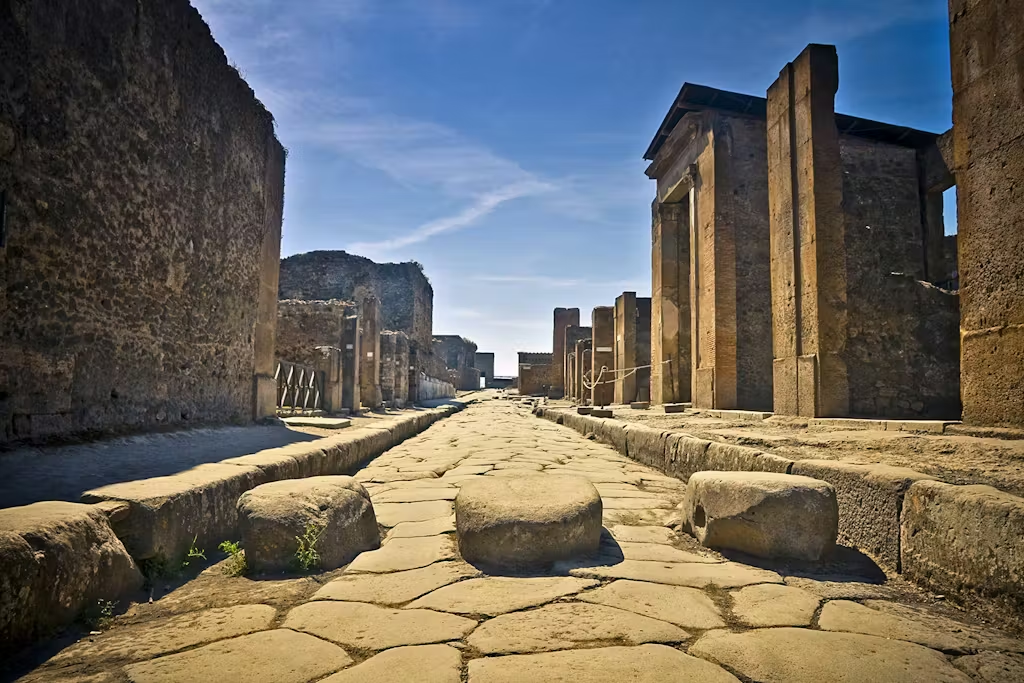
Ancient ruins of Pompeii with Mount Vesuvius in the background

Ancient Pompeii

Naples, Italy

Buried by the eruption of Vesuvius in 79 AD, Pompeii is one of the most extraordinary archaeological sites in the world. WMF has supported conservation work at this fragile site, where exposure to the elements and millions of visitors each year threaten the preserved frescoes, mosaics, and structures that offer an unmatched window into ancient Roman life.

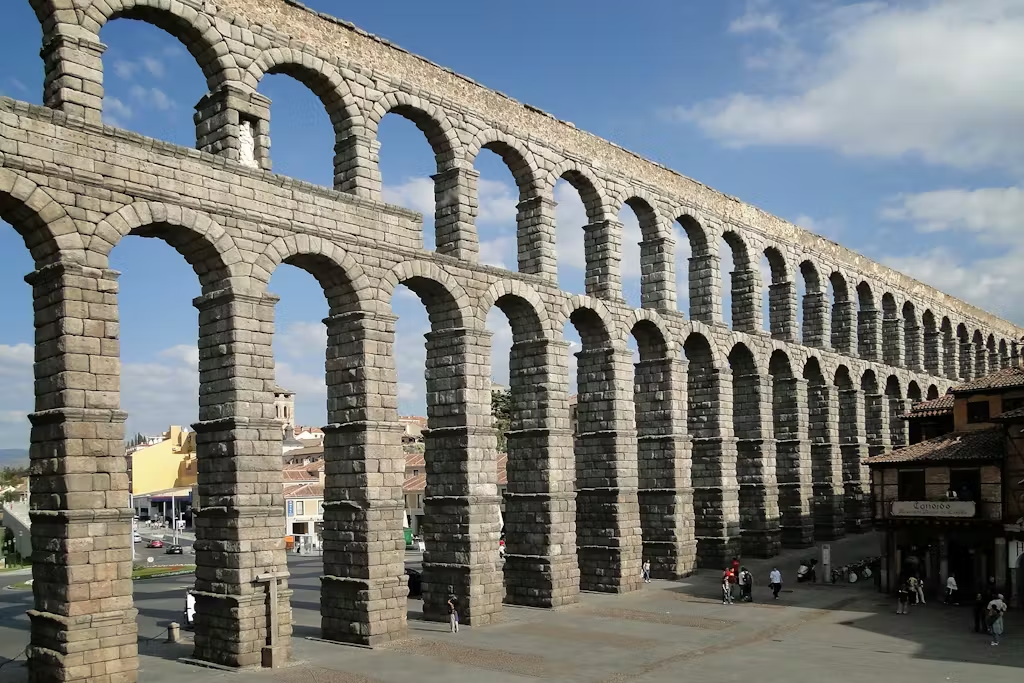
Roman Aqueduct of Segovia with its iconic stone arches in Spain

Aqueduct of Segovia

Segovia, Spain

The best-preserved Roman aqueduct bridge in existence — 167 arches of unmortared granite blocks, standing for nearly 2,000 years. WMF listed it on their World Monuments Watch in 2005 and 2006 after identifying differential stone decay, water leakage, and pollution damage threatening the structure.

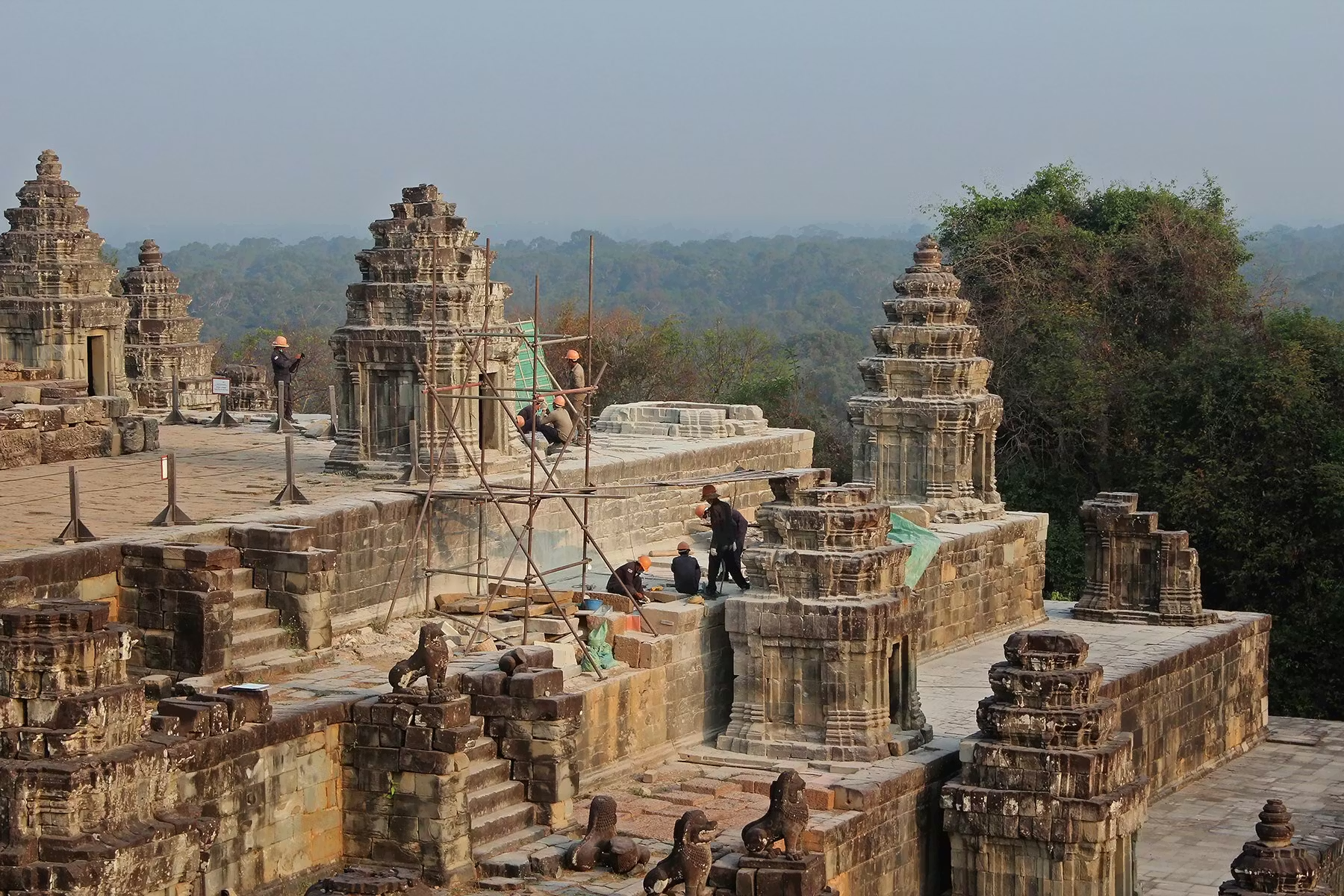
Ancient stone temple at Angkor Wat surrounded by jungle in Cambodia

Angkor Wat Temples

Siem Reap, Cambodia

For 35 years, WMF led conservation at Angkor — one of the most recognizable archaeological sites on Earth. Beginning at the request of King Father Norodom Sihanouk in 1989, the work included restoring Ta Som, Preah Khan, and the Churning of the Ocean of Milk Gallery. In 2024, management of three completed sites was transferred to Cambodia's own APSARA Authority.

Ancient columns at Karnak Temple in Luxor, Egypt at sunset

Luxor & Karnak Temples

Luxor, Egypt

Along the Nile, WMF restored over 1,000 damaged blocks at Luxor Temple and partnered with the University of Chicago for emergency repairs at Karnak. Their longest project here — spanning from 1998 — involved recovering, documenting, and reinstalling more than 280 Sekhmet statues and sphinxes at the Amenhotep III Mortuary Temple.

Historic Parisian architecture along the Seine River at golden hour

Historic Churches of Paris

Paris, France

WMF committed over €1 million to restore two iconic Parisian landmarks: the Chapel of the Sorbonne — reopened to the public for the first time in 25 years — and the Church of Saint-Eustache, the second largest church in Paris after Notre-Dame. These projects preserve centuries of French architectural heritage in the heart of the city.

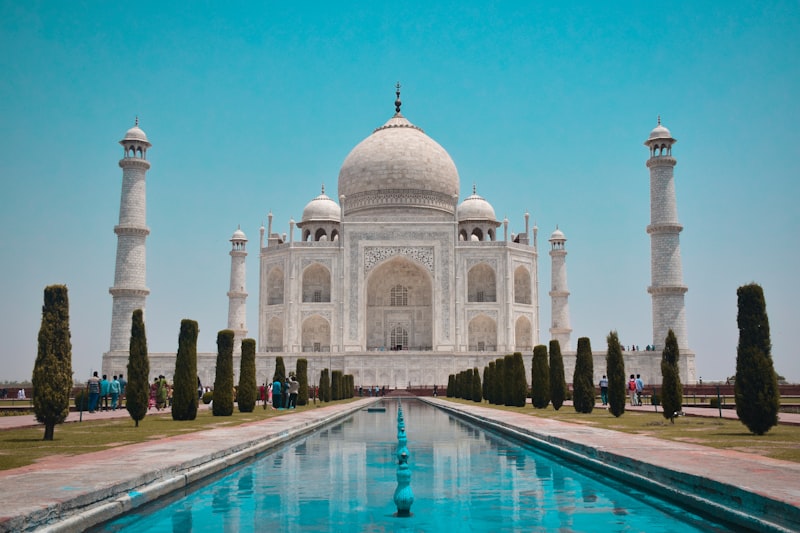
The Taj Mahal in Agra, India reflected in a long garden pool at sunrise

Taj Mahal & Mughal Gardens

Agra, India

WMF's first engagement in India began in 1996 after placing the Taj Mahal on the World Monuments Watch. Since then, they have worked to conserve the surrounding Mughal Gardens of Agra and launched a nationwide initiative to revitalize India's historic stepwells and water systems — traditional infrastructure that has supplied communities for generations but is now at risk of being lost.

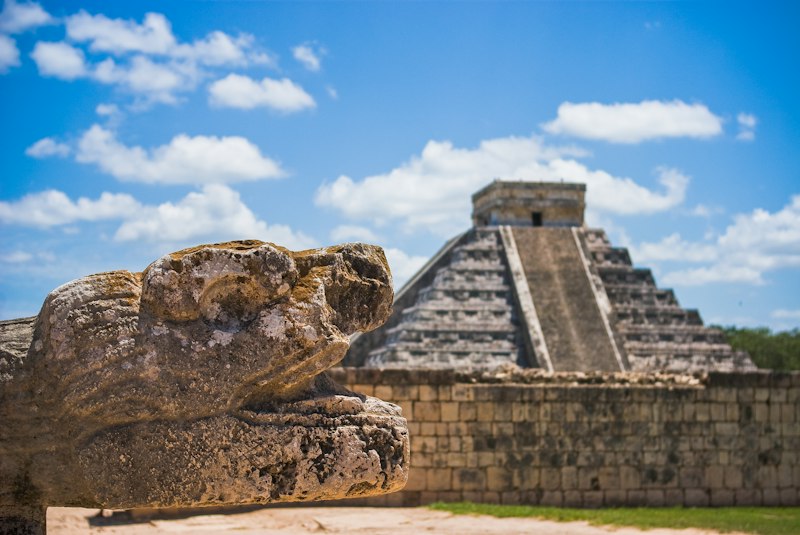
Ancient Zapotec ruins at Monte Albán archaeological site in Mexico

Monte Albán

Oaxaca, Mexico

Since 2018, WMF has partnered with Mexico's National Institute of Anthropology and History to conserve this ancient Zapotec capital. The work includes geological assessment, physical conservation of the stone structures, and detailed documentation to guide future preservation efforts.

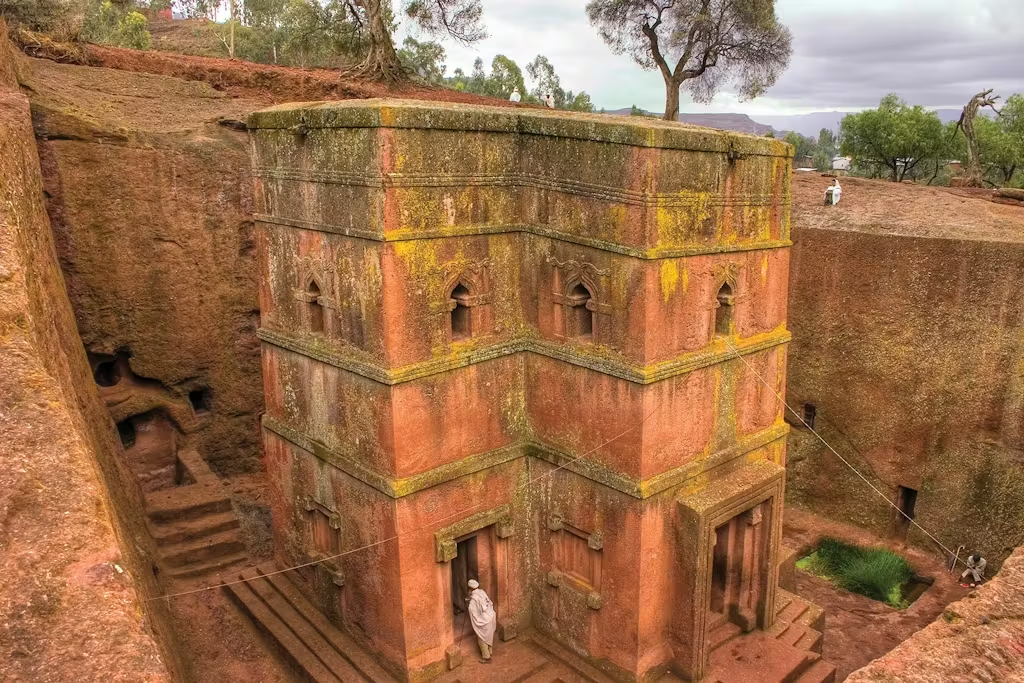
Cross-shaped rock-hewn church carved from stone in Lalibela, Ethiopia

Rock-Hewn Churches of Lalibela

Lalibela, Ethiopia

Lalibela was WMF's very first project in the 1960s. Eleven churches carved directly from living rock, dating to the 12th century. WMF removed damaging bituminous coatings from delicate murals, restored Bet Mikael and Bet Golgotha churches, and trained local craftspeople and Lalibela priests for sustainable, long-term care.

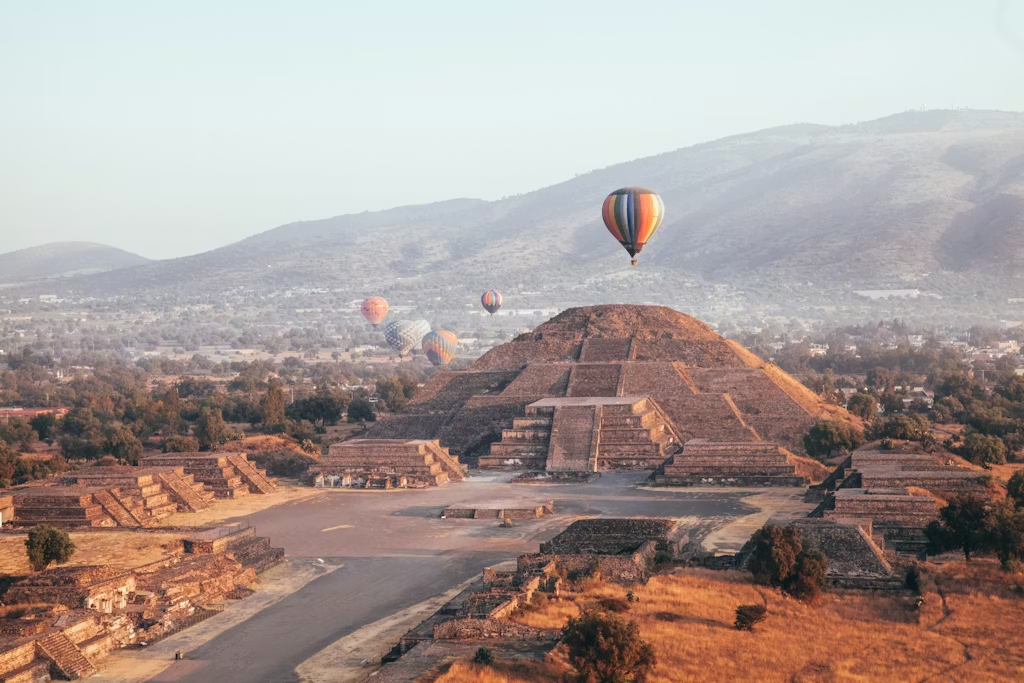
Pyramid of the Sun at Teotihuacan archaeological site in Mexico

Teotihuacan

Mexico City, Mexico

Since 1998, WMF has led multiple conservation projects at this ancient Mesoamerican city, including emergency interventions at the Temple of Quetzalcoatl. These efforts protect one of the most significant pre-Columbian archaeological sites in the Americas.

700+

Sites preserved

112

Countries reached

60

Years of preservation

Every photo you restore helps preserve the past

1% of every purchase at Refresh goes directly to the World Monuments Fund. When you restore a family photo, you’re also helping restore the places your family came from.

The World Monuments Fund does not endorse Refresh.photos. All information about WMF projects is sourced from publicly available records. To learn more about their work, visit wmf.org.